
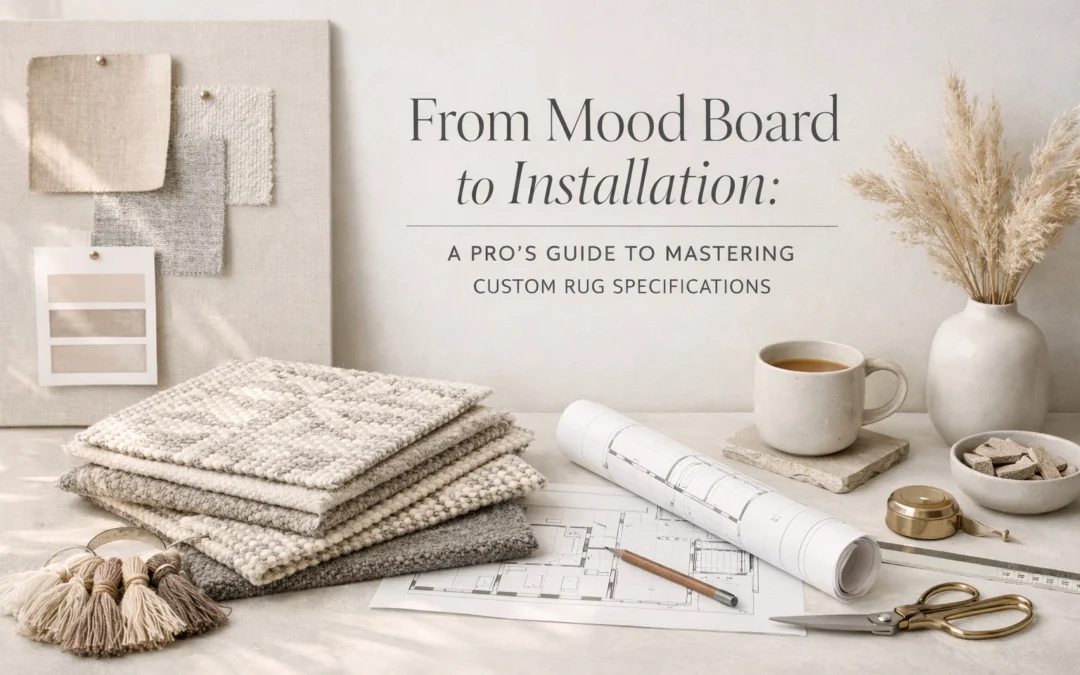
At Harcourt Collection, we see it all the time: talented designers with stunning mood boards who hit a wall when it's time to translate vision into actual specifications. Custom rugs aren't off-the-shelf purchases: they're collaborations. And like any collaboration, the outcome depends entirely on how clearly you communicate your needs upfront.
This guide walks you through the entire process, from pinning that first inspiration image to the day your bespoke piece arrives on site.
Start Where Design Always Starts: The Mood Board
Your mood board tells the story. It establishes color direction, texture preferences, and the overall aesthetic you're building toward. But here's what separates good mood boards from great specifications: specificity.
When you're collecting inspiration for custom rugs, look beyond pretty pictures. Note the qualities that make each image compelling. Is it the dimensional texture? The interplay between matte and sheen? The subtle tonal shifts within a single colorway?
Translate those observations into clear descriptors: hand-loomed texture, low-profile flatweave, silk highlights against a wool ground. These details become your specification language.
Foundation First: Selecting Your Base Materials
Every luxury rug starts with a solid foundation: and that foundation sets the stage for everything that follows.
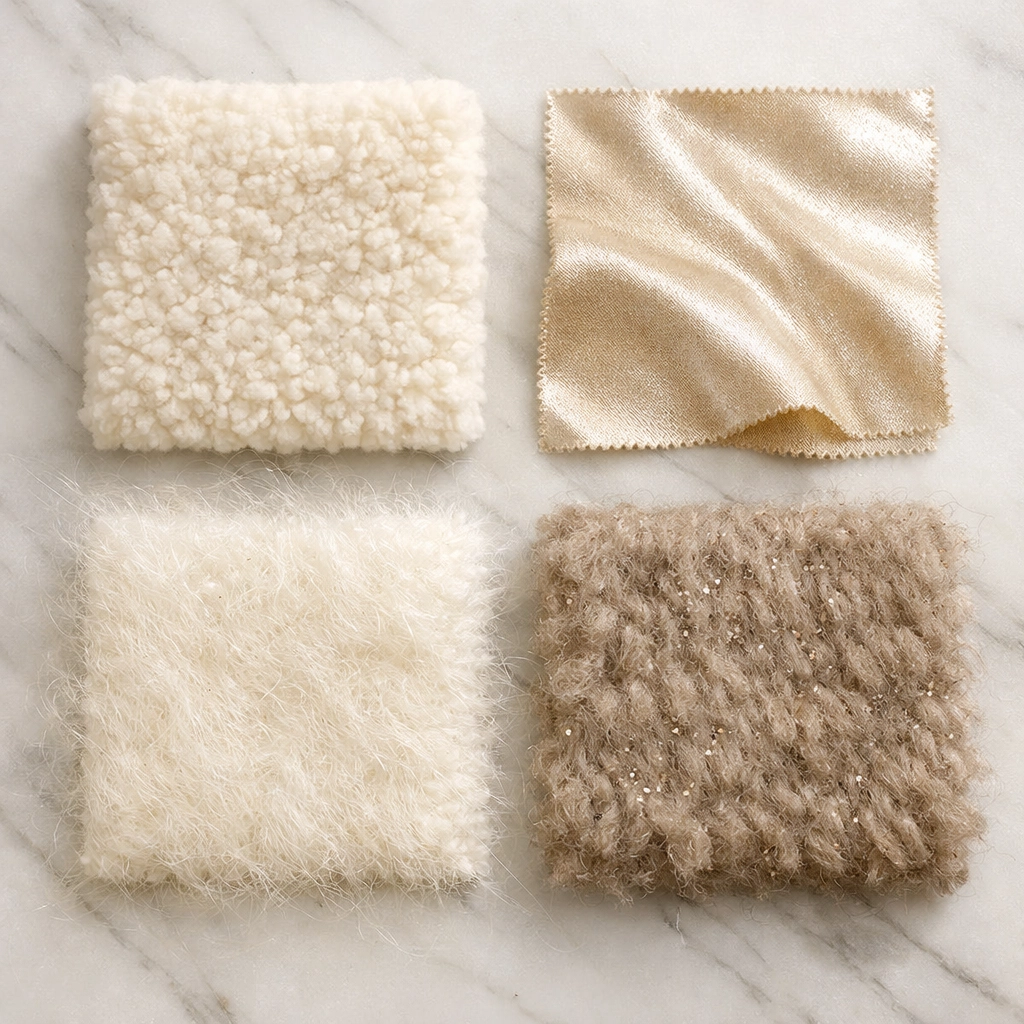
High-quality wool remains the gold standard for a reason. It's durable, naturally stain-resistant, and ages beautifully. The hand is soft without being precious, and it holds color in a way that synthetic fibers simply can't match. For projects where performance matters as much as aesthetics, wool delivers.
Soft nylon foundations offer another route. Modern nylons have come a long way: think plush, resilient, and remarkably refined. They're ideal for high-traffic applications where you need something that performs without compromising on that quiet luxury feel.
But here's where bespoke carpet truly earns its keep: the upgrades.
Layer in merino wool for unparalleled softness: this is the material that makes barefoot mornings feel indulgent. Add alpaca for a subtle luster and incredible warmth underfoot. Introduce silk for dimensional sheen that catches and reflects light throughout the day. Or specify mohair for a texture that's simultaneously refined and tactile, with a natural resilience that holds up beautifully over time.
The beauty of made to order rugs is this flexibility. You're not choosing from preset combinations: you're building exactly what the space demands.
Getting Size and Seams Right
Measurement might seem straightforward, but it's where many projects go sideways. Here's the process that ensures accuracy every time:
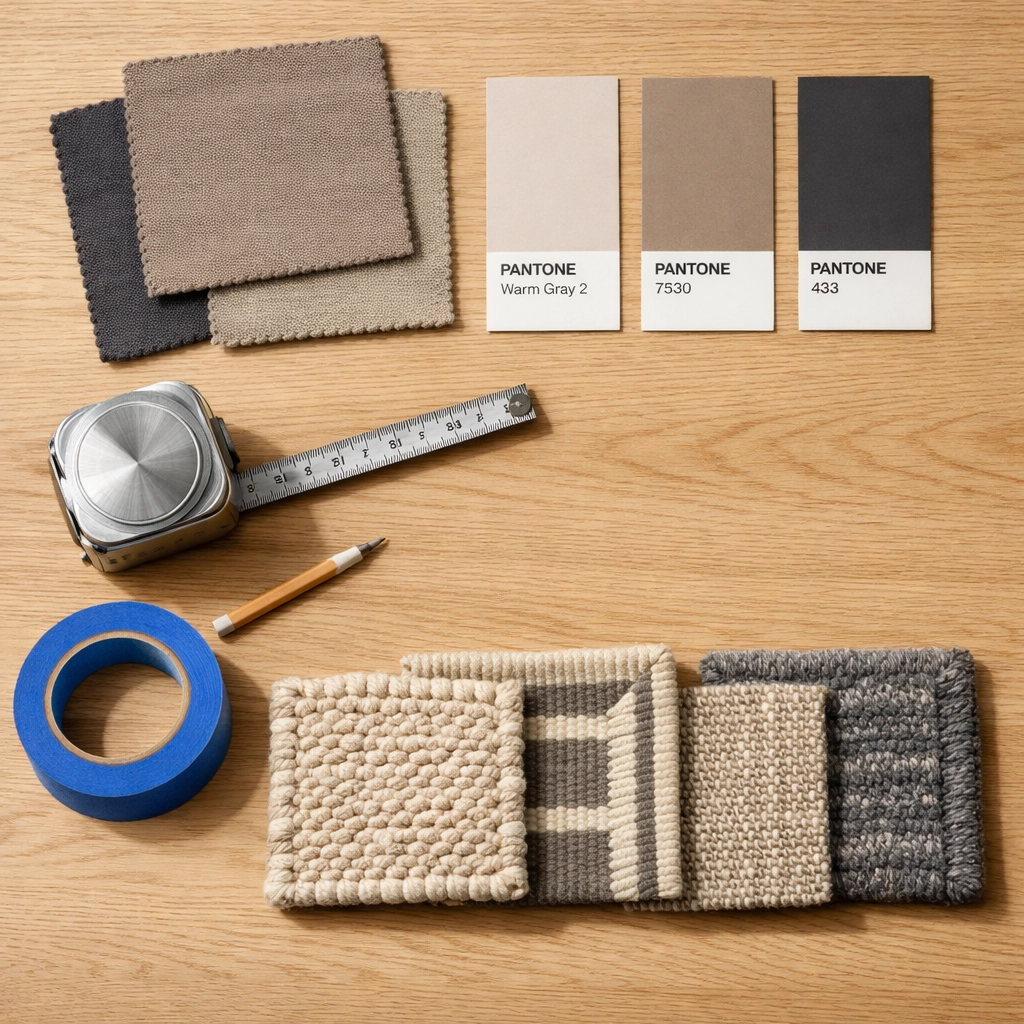
Mark the exact perimeter using painter's tape. Walk the space from multiple angles. Live with it for a day or two if possible. It's far better to discover sizing issues at the tape stage than after production.
Measure with a steel tape: not a fabric or plastic one. Record width and length, then measure again. Verify your dimensions match your furniture layout and the spatial proportions you're working with.
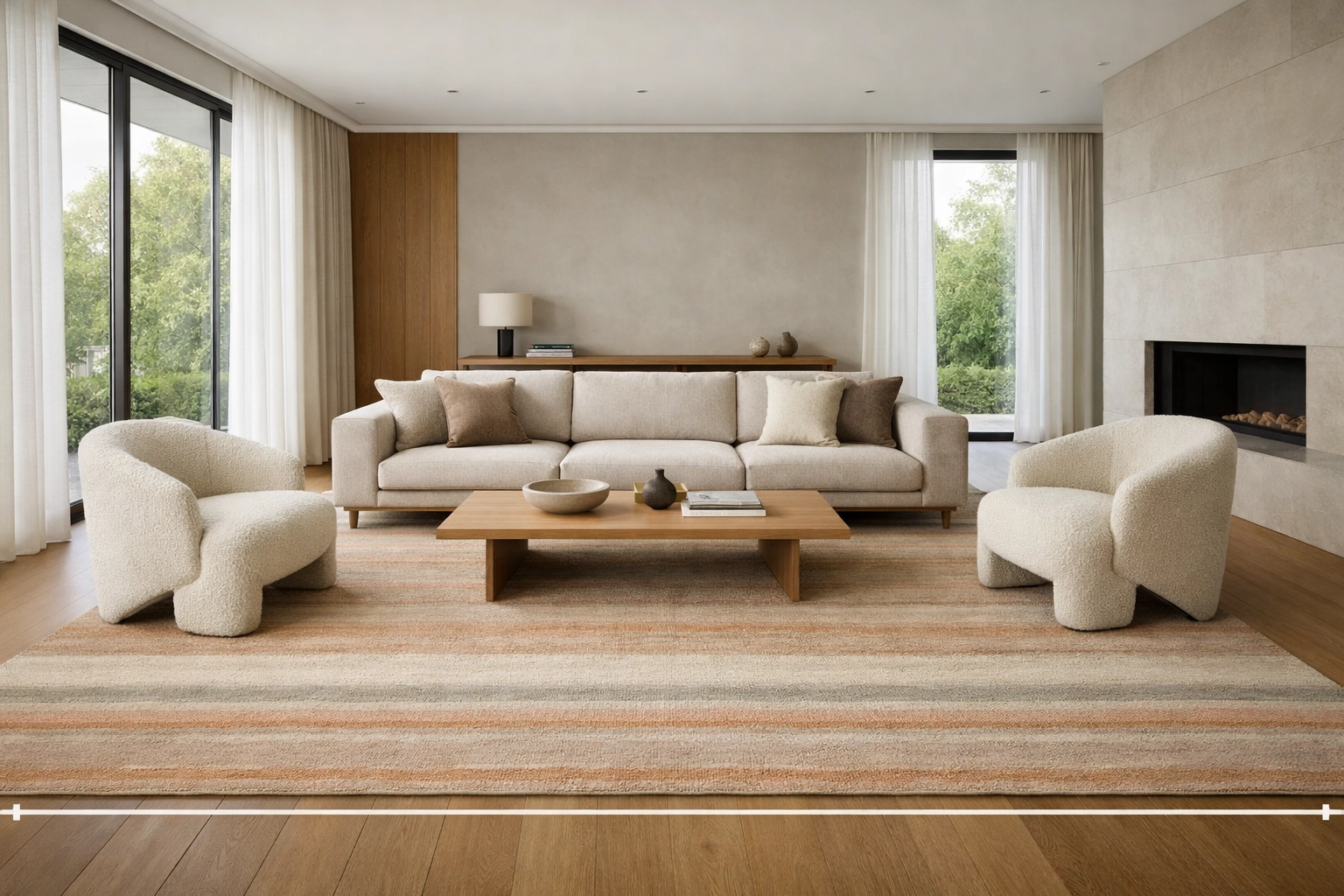
Room-specific guidelines matter. In living rooms, your rug should extend 6-8 inches beyond your sofa on both sides. For dining areas, add at least 30 inches to each side of your table: this keeps chairs on the rug when occupied. Bedrooms vary by bed size: queen beds typically work best with 6' × 9' to 8' × 10', while king beds call for 8' × 10' to 9' × 12'.
Keep rugs at least 6 inches from walls in bedrooms, 12-18 inches in other rooms. This breathing room prevents the space from feeling cramped.
The Seam Question
Here's where custom production changes the game entirely.
Seams can be executed with such precision that they're nearly invisible: perfectly matched pattern alignment, expert hand-stitching, colorways that flow seamlessly across the join. In the right hands, a seamed rug reads as one continuous piece.
But here's the other option: produce the rug in any size to eliminate seams altogether. Custom capabilities often reach 12 feet wide by 27 feet or more. When you're working at this scale, you can specify a single, uninterrupted piece that requires no seaming at all. No compromise, no secondary joins to consider: just one continuous expanse of luxury carpet exactly as you envisioned it.
Construction Methods: Hand-Loomed, Hand-Woven, Hand-Knotted, Hand-Tufted, and Flatweave
Construction determines how your rug performs and how it feels underfoot. Each method brings distinct characteristics.
Hand-loomed rugs offer incredible texture and dimension. The process creates subtle irregularities: think of them as intentional imperfections: that give each piece personality and depth. The hand is substantial without being heavy, and the construction holds up beautifully over time.
Hand-woven pieces bring precision and detail. Patterns stay crisp, edges remain clean, and the overall effect reads tailored and refined. This is the construction method for spaces where pattern complexity matters, where you're working with intricate geometrics or detailed motifs that demand exactitude.
Hand-knotted rugs are the ultimate in luxury and durability. Every single knot is tied by hand: a meticulous process that builds intricate, long-lasting designs that wear beautifully for decades.
Hand-tufted rugs are made using a hand-held tool to push fibers into a backing. This method allows for thick, plush piles and beautiful carved or high-low textures: ideal when you want richness underfoot and sculpted dimension on the surface.
Flatweave construction delivers a sleek, low-profile aesthetic that works particularly well in modern, minimalist interiors. The texture comes from the weave itself rather than pile height: subtle, sophisticated, and ideal for layering or for spaces where you want presence without visual weight.
Each construction method pairs differently with materials. Silk shows beautifully in hand-woven construction where its sheen can be controlled and directed. Mohair adds incredible dimension to hand-loomed pieces. Flatweave construction highlights the natural characteristics of wool and alpaca.
Color, Pattern, and the Final Specification
By this point, you have your materials, your construction method, and your exact dimensions. Now it's time to finalize color and pattern.
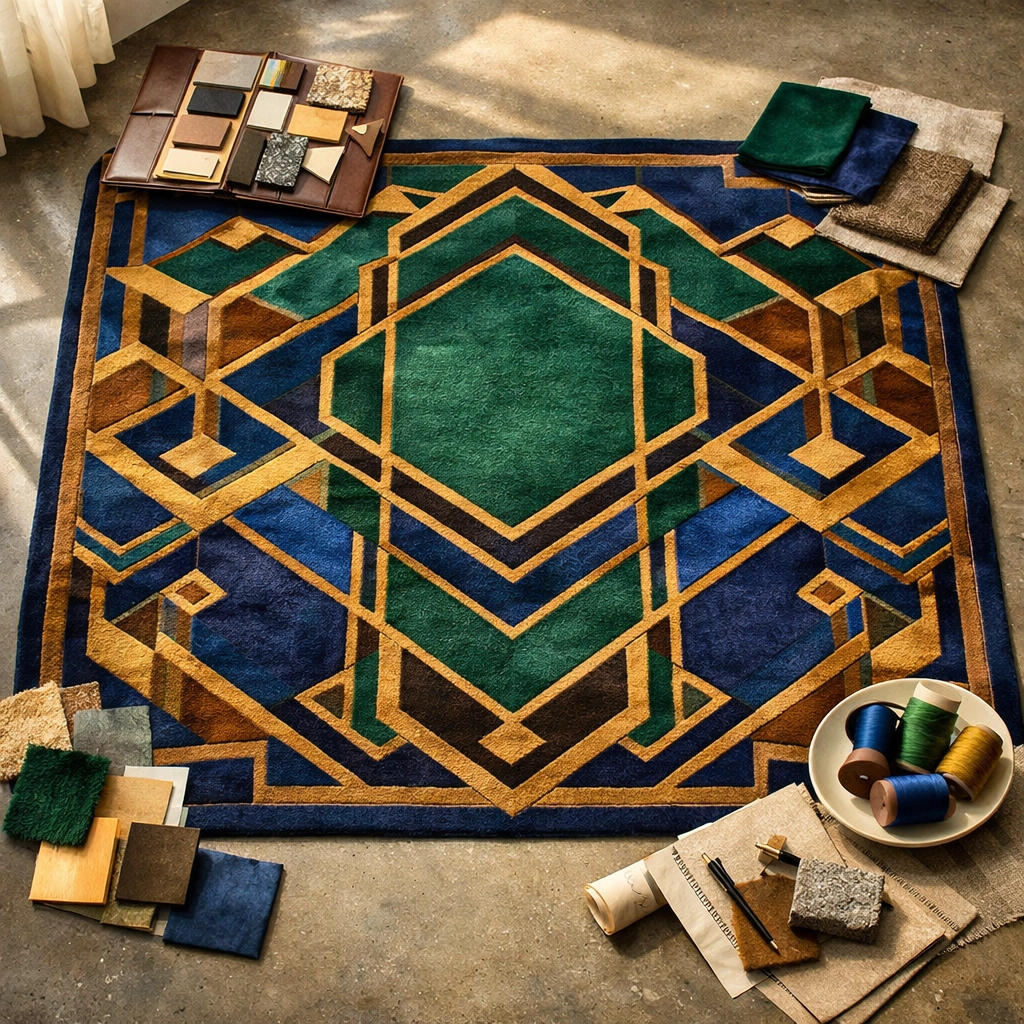
Custom work means you're not limited to existing colorways. Specify exact Pantone references, provide fabric swatches, send paint chips. The more precise you can be about color direction, the better the final match.
For pattern, consider scale carefully. What looks balanced at 5' × 8' might read entirely differently at 10' × 14'. Large-scale patterns need room to breathe: compress them into too-small dimensions and they lose impact. Conversely, delicate patterns can get lost in expansive spaces.
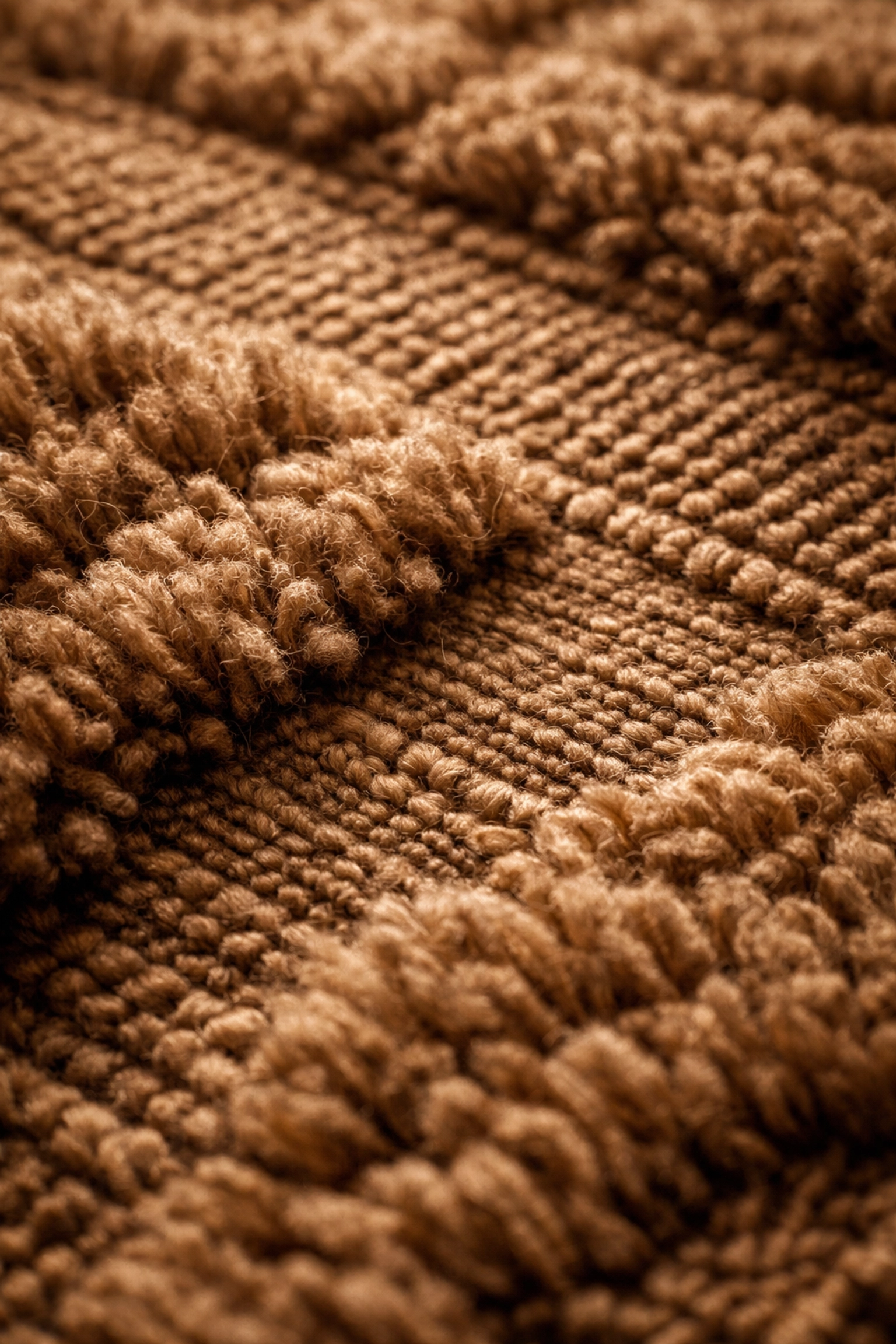
Texture as pattern deserves consideration too. High-low construction, mixed materials, varied weave densities: these create visual interest without relying on color contrast or geometric motifs. In spaces where you want richness without busy-ness, texture-driven design delivers.
Installation and The Final Detail
Installation seems simple: it's just a rug, after all: but proper installation protects your investment and ensures the piece performs as intended.
Specify quality rug pads always. They prevent slipping, protect flooring, and extend the life of the rug itself. For larger pieces, professional installation makes sense: these aren't lightweight runners you can wrestle into place on your own.
Consider environmental factors too. High-traffic areas benefit from regular rotation to ensure even wear. Direct sunlight can fade natural fibers over time: factor in window treatments or UV protection if the rug will live in a sun-drenched space.
Where Custom Delivers More
The entire point of specifying bespoke carpet is this: you get exactly what the project needs, nothing more and nothing less. No settling for close-enough dimensions. No compromising on that specific shade of clay-toned taupe. No accepting synthetic when the space demands natural fiber.
Custom specifications require more time upfront: more conversation, more samples, more back-and-forth to dial in every detail. But that investment pays off the moment the piece arrives on site and slots perfectly into the space you designed it for.
At Harcourt Collection, we guide trade professionals through this process daily. The conversation typically starts with a mood board and a rough idea. It ends with a finished piece that performs exactly as specified: the right materials, the right construction, the right scale, installed and ready to anchor the entire design.
That's the power of truly custom work. And it's why designers who master the specification process keep coming back to it, project after project.

Recent Comments