
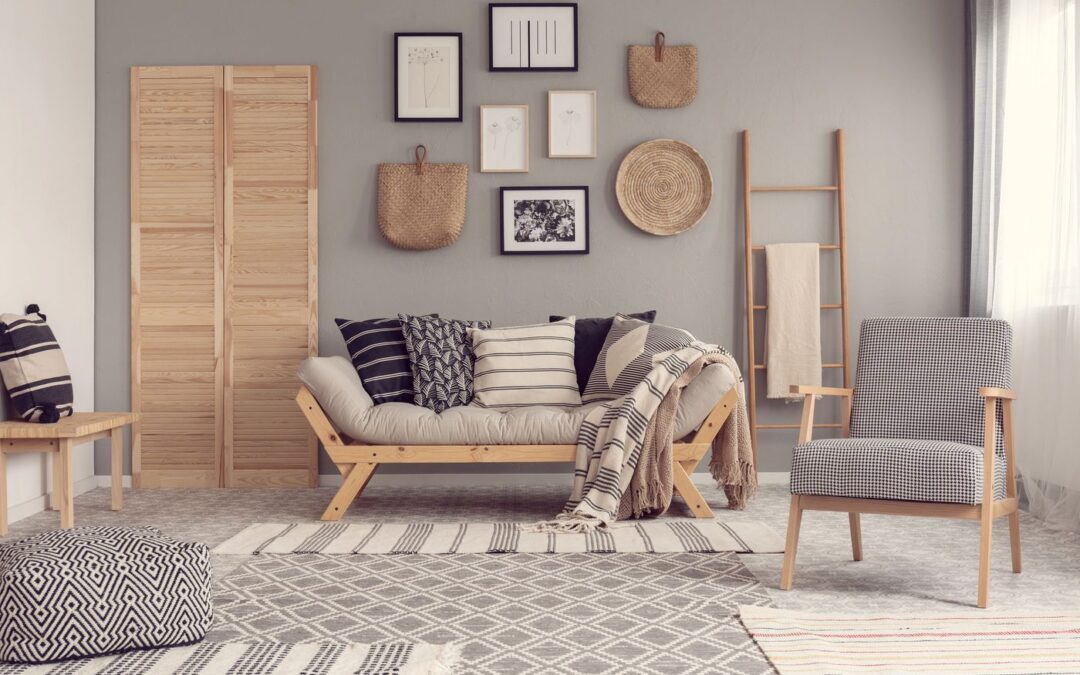
Sustainability in interior design has evolved beyond trend status. Today, it’s a fundamental part of how designers think about materials, sourcing, and long-term performance. Rather than focusing solely on what looks good in the moment, the conversation has shifted toward what lasts—both aesthetically and functionally. Rugs and carpets, as foundational design elements, play a significant role in this evolution.
At Harcourt Collection, sustainability begins with longevity. A well-crafted rug that maintains its beauty over time is inherently more sustainable than one that needs frequent replacement. By focusing on quality materials, thoughtful construction, and timeless design, flooring becomes an investment rather than a disposable layer.
Designing for Durability
Durability is one of the most overlooked aspects of sustainable design. Rugs that wear evenly, resist matting, and retain their structure reduce the need for replacement and minimize material waste. Wool-rich constructions are especially valued for their natural resilience, recovery, and ability to age gracefully in both residential and commercial settings.
Beyond fiber selection, construction methods also influence longevity. Flatwoven rugs perform well in high-traffic areas, while hand-tufted and knotted constructions offer depth and comfort where softness is prioritized. Matching the construction to the environment ensures the rug performs as intended, extending its usable life.
Timeless Design Over Trend Cycles
A sustainable interior is not driven by short-lived trends. Rugs with overly specific motifs or bold, seasonal colorways can quickly feel dated, leading to premature replacement. Instead, designers are gravitating toward restrained palettes, nuanced patterning, and textures that feel relevant year after year.
Neutral foundations, subtle geometry, and organic textures allow a rug to adapt as furnishings and accessories evolve. This flexibility supports sustainability by reducing the need to redesign an entire space when tastes shift or layouts change.
Material Responsibility and Thoughtful Sourcing
Material responsibility is another key consideration. Natural fibers such as wool offer renewable benefits while delivering performance and comfort. When paired with responsible manufacturing practices, these materials support healthier interiors and align with the growing demand for environmentally conscious design choices.
Designers are increasingly interested in understanding how and where products are made. Transparency in sourcing and production allows them to specify rugs with confidence, knowing the materials and processes support both quality and environmental responsibility.
Customization as a Sustainable Advantage
Customization plays an important role in reducing waste. When rugs are produced to exact dimensions, colors, and constructions, excess material and unnecessary alterations are minimized. Custom solutions also eliminate compromises that can shorten a rug’s lifespan, such as improper sizing or unsuitable fiber selection.
Harcourt Collection’s Black Label Rug Program supports this approach by allowing designers to specify rugs that meet the precise needs of each project. The result is flooring that integrates seamlessly into the design, performs as intended, and remains relevant for years to come.
Performance That Supports Long-Term Use
Sustainable design must also consider maintenance. Rugs that are easy to care for, clean, and maintain contribute to healthier spaces and extended product life. Performance finishes, thoughtful yarn selection, and construction integrity all help ensure rugs remain beautiful under everyday use.
In commercial and hospitality environments, this balance between sustainability and performance is especially critical. Flooring must meet rigorous demands without sacrificing design integrity—a challenge that can only be addressed through careful specification and expert manufacturing.
Sustainability in design is not about sacrificing beauty for responsibility. It’s about creating spaces that endure—visually, functionally, and environmentally. By prioritizing longevity, thoughtful materials, and intentional design, rugs and carpets become lasting contributors to interiors that respect both people and the planet.

Recent Comments