
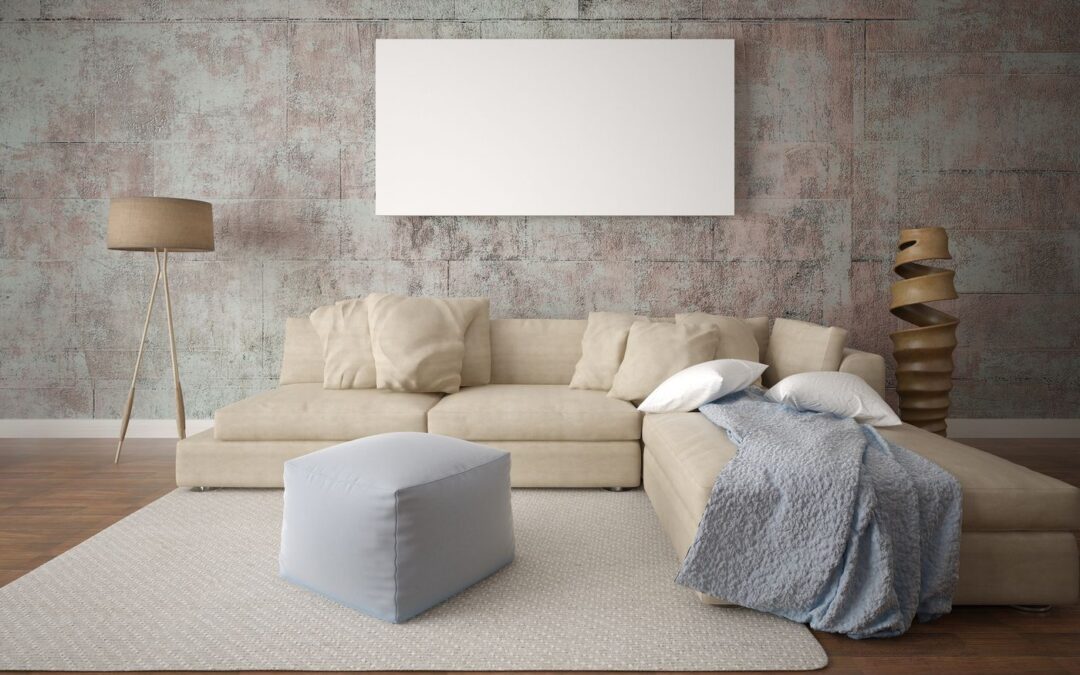
Texture is one of the most powerful yet understated elements in interior design. It influences how a space feels long before individual details are noticed. While color and form often lead the design conversation, texture is what brings warmth, depth, and dimension to an interior—and rugs play a central role in delivering that experience.
At Harcourt Collection, we view rugs and carpets as tactile architecture. They soften hard surfaces, absorb sound, and introduce a sense of comfort that can’t be achieved through visual elements alone. Whether a space is minimal or richly layered, texture is what transforms it from polished to inviting.
Texture as a Foundation, Not an Accent
In well-designed interiors, texture begins at the foundation. Flooring sets the physical and emotional tone of a room, influencing how people move through it and how long they choose to stay. A flat, textureless surface may appear clean and modern, but without contrast it can feel cold or unfinished. Rugs provide that necessary counterbalance, grounding the space with softness and visual depth.
From subtle looped constructions to sculpted high-low pile, texture can be calibrated to support the overall design intent. A quiet, tonal rug may bring just enough variation to elevate a minimalist space, while a richly textured construction can anchor rooms that rely on restraint elsewhere.
How Texture Shapes Mood and Perception
Texture has a direct impact on how a room is perceived. Plush, dimensional rugs encourage comfort and relaxation, making them ideal for living spaces, lounges, and hospitality settings. Tighter weaves and refined surfaces create a sense of structure and order, well-suited for dining areas, corridors, and professional environments.
The interplay between texture and light is equally important. Carved pile, ribbed weaves, and hand-crafted surfaces catch light differently throughout the day, creating subtle movement and shadow that adds life to the space. This quiet dynamism allows interiors to feel layered without relying on bold pattern or color.
Material Choices and Their Tactile Impact
Material selection plays a critical role in the tactile experience of a rug. Wool remains a preferred choice for its resilience, warmth, and natural variation, offering a texture that feels both refined and welcoming. Flatwoven constructions introduce a more architectural hand, while hand-tufted or knotted rugs provide richness and depth that signal craftsmanship and quality.
In many projects, designers combine materials and constructions to achieve balance—using texture to soften modern architecture or to add quiet complexity to neutral palettes. The result is an interior that feels intentional, considered, and complete.
Texture as a Tool for Zoning and Flow
Beyond aesthetics, texture plays a functional role in defining space. In open-plan environments, rugs with varying pile heights or constructions can subtly distinguish living, dining, and working zones without the need for physical barriers. This approach maintains visual continuity while giving each area its own identity.
In commercial and hospitality projects, textured flooring can guide movement and signal transitions between spaces. The experience remains seamless, yet intuitive—an outcome that feels effortless to the end user but is carefully planned by the designer.
Craftsmanship You Can Feel
Texture is often where craftsmanship becomes most evident. Hand-finished details, sculpted surfaces, and thoughtful construction techniques are felt underfoot, reinforcing the quality of the space in a way that visuals alone cannot. This tactile connection creates a lasting impression and contributes to the overall perception of luxury.
At Harcourt Collection, texture is never an afterthought. Through carefully developed constructions and our Black Label Rug Program, we offer designers the ability to tailor texture as precisely as color or pattern. The result is flooring that doesn’t just support the design—it enhances the way a space is experienced.
When texture is thoughtfully integrated, it becomes one of the most memorable aspects of an interior. Rugs are not simply decorative elements; they are sensory foundations that shape comfort, mood, and connection from the ground up.

Recent Comments