
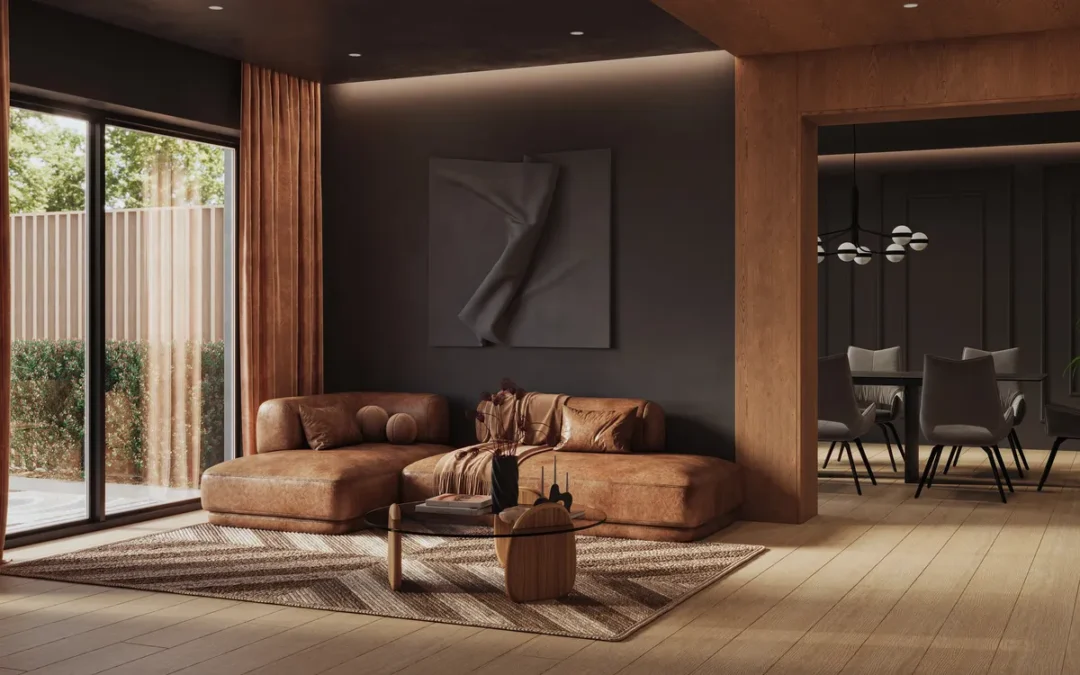
At Harcourt Collection, we know that the right rug doesn’t just complement a design—it defines it. Every aesthetic, from quiet minimalism to expressive heritage styles, begins from the ground up. Rugs establish tone, support the palette, introduce tactile depth, and bring clarity to the overall vision. Below, we explore how today’s most influential design aesthetics use flooring to elevate the room.
Quiet Luxury & Contemporary Classic
Quiet luxury continues to resonate across both residential and boutique commercial interiors. This approach leans into warm neutrals, refined textures, and investment-level materials that age gracefully. Rugs that support this aesthetic often feature velvety pile, subtle geometric structure, and low-contrast tonal shifts. They ground a space with understated elegance, allowing furnishings and architecture to take center stage while ensuring the room feels layered, calm, and intentionally curated.
Japandi & Warm Minimalism
Japandi design champions simplicity, natural materials, and functional beauty. Rug choices reflect this philosophy through flatwoven textures, soft linear motifs, and woven patterns inspired by traditional tatami. These pieces introduce visual warmth without disrupting the quiet balance of the room. In open-plan environments, rugs help define zones while keeping the palette cohesive and serene.
Organic Modern
Organic modern interiors embrace sculptural forms, natural color stories, and tactile richness. Rugs become essential in reinforcing this aesthetic through dimensional textures, high-low pile, and hand-touched finishes. Earth-driven tones—clay, olive, cacao, and chalk—pair beautifully with carved tufting or slub yarns to create a grounded, sensory experience. These pieces bring together modern silhouettes and natural warmth in a seamless, harmonious way.
Eclectic Heritage & Maximalist Influence
For spaces that thrive on personality and expression, rugs often act as the anchor of the story. Heritage-inspired and maximalist interiors embrace bold color, pattern layering, and oversized motifs that feel curated rather than chaotic. Jewel tones, recolored archival designs, and graphic reinterpretations bring depth and vibrancy. In these settings, the rug often becomes the focal point—setting the tone for upholstery, wall colors, and artwork that follow.
Art Deco Revival
Art Deco continues its return, offering a blend of geometry, glamour, and sculpted detail. Rugs in this aesthetic favor stepped chevron, rounded striping, fan motifs, and subtle sheen that evoke a sense of timeless sophistication. Low, dense piles help maintain crisp linework, giving interiors a polished and intentional finish suited for entryways, lounges, and elevated hospitality spaces.
Coastal Modern
Coastal modern design avoids the clichés of nautical themes and instead embraces an airy, mineral-inspired palette. Rugs take on relaxed textures—low loops, breezy flatweaves, and heathered yarns in dune, fog, and sea-glass tones. These pieces bring a gentle softness to sunlit rooms and casual gathering areas, helping spaces feel effortless and comfortable without sacrificing refinement.
Mediterranean & Textured Classic
Mediterranean-inspired interiors celebrate texture, earth tones, and craftsmanship. Rugs with chunky loops, ribbed weaves, or tile-inspired patterns complement limewashed walls, stone surfaces, and terracotta accents. These constructions create an inviting, sun-warmed aesthetic that works beautifully in kitchens, transitional spaces, and homes that blur the line between indoors and out.
Soft Industrial & Refined Loft
Soft industrial interiors rely on rugs to temper architectural materials like concrete, steel, and exposed brick. Flooring choices lean toward tight loops, subtle grids, or tonal chevron patterns that introduce texture without visual noise. These rugs help define large, open layouts and offer much-needed softness while maintaining the clean structure of loft-style design.
New Traditional & Grandmillennial
New Traditional—often referred to as grandmillennial—embraces heritage motifs with a modern sensibility. Rugs feature updated gingham, softened checkerboard, ribbon stripes, or reimagined damasks that bring comfort and charm without feeling dated. This aesthetic thrives on balance: pattern layered with restraint, nostalgia expressed with freshness.
Minimal Luxe for Hospitality
In hospitality environments, rugs must deliver both performance and polish. Designers gravitate toward solution-dyed wool blends, carved channels, tonal gradients, and architectural striping that zone spaces and guide movement. These pieces keep lobbies, corridors, and meeting suites quietly elegant while supporting the demands of high-traffic use.
Across all these aesthetics, one theme is clear: rugs and carpets are foundational design tools. They establish atmosphere, influence the palette, and shape the way people experience a room. At Harcourt Collection, our commitment to craftsmanship, material excellence, and customizable solutions ensures that every design aesthetic can be supported with intention and artistry.
Specifier’s Cheat Sheet
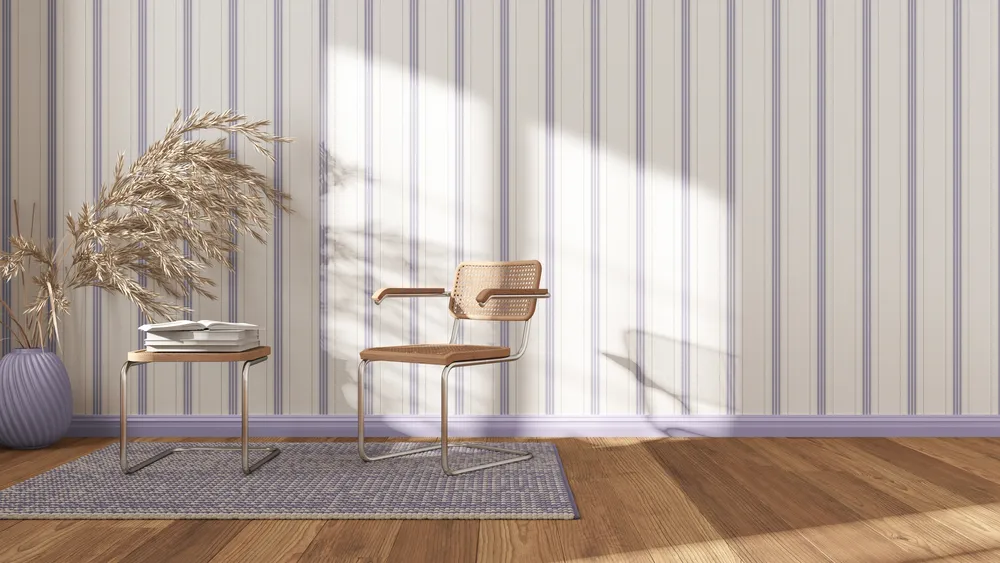
When refining a space, start with fiber. Wool-rich constructions provide unmatched beauty and longevity, while performance blends serve best in high-traffic environments. Consider room size when selecting pattern scale—larger spaces welcome bold geometry, while smaller rooms thrive with texture or subtle detail. Let the flooring carry either the saturation or the pattern, but avoid doing both simultaneously. And never overlook finishing details: the right binding or serge elevates the entire piece. For complete creative freedom, Harcourt’s Black Label Rug Program allows for bespoke dimensions, motifs, borders, and color palettes tailored to your project’s needs.

Recent Comments